The acoustic insulation question.
Rain noise reaches us as sound waves. During rainfall, raindrops strike the roof surface, producing a range of frequencies. While the current roof structure may provide some soundproofing, the acoustic insulation question was most likely not a priority during construction. When soundproofing a roof against rain noise, we often start by adding acoustic attenuation materials that target the specific frequencies raindrops produce.
Resonant Frequency
Any structure vibrates at certain frequencies, and roofing panels are no exception; metal or composite panels act like a drum skin. When raindrops hit them, these panels produce sound. Thus, addressing the acoustic insulation question and incorporating acoustic treatment materials designed to reduce this noise makes sense.
Adding Mass
Adding mass to the roof is one answer to the acoustic insulation question concerning rain noise reduction. It’s widely recognised that increasing the thickness of roofs or walls can inhibit the propagation of sound waves. Therefore, making the roof thicker and denser seems like a straightforward solution for reducing noise from rain.
The Mass Law
The Mass Law of soundproofing states that doubling the weight of an acoustic barrier yields roughly a 6 dB improvement in sound reduction. In practical terms, a 6 dB reduction is roughly perceived as halving the noise’s loudness. The same principle applies to roofs — but it raises two immediate questions: can the structure bear the extra weight, and what will it cost? This naturally leads to another question: could the problem be tackled differently?
An alternative approach
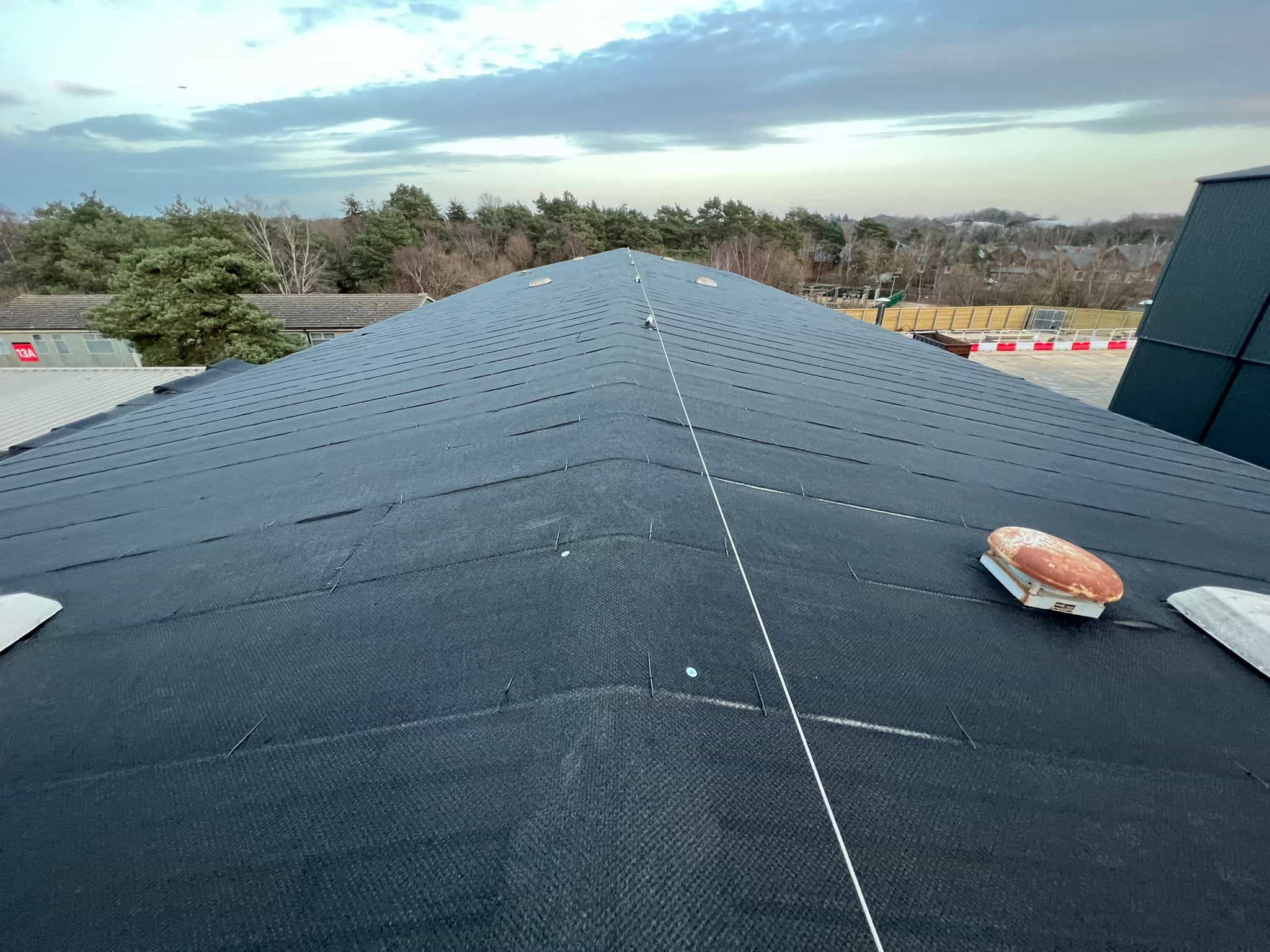
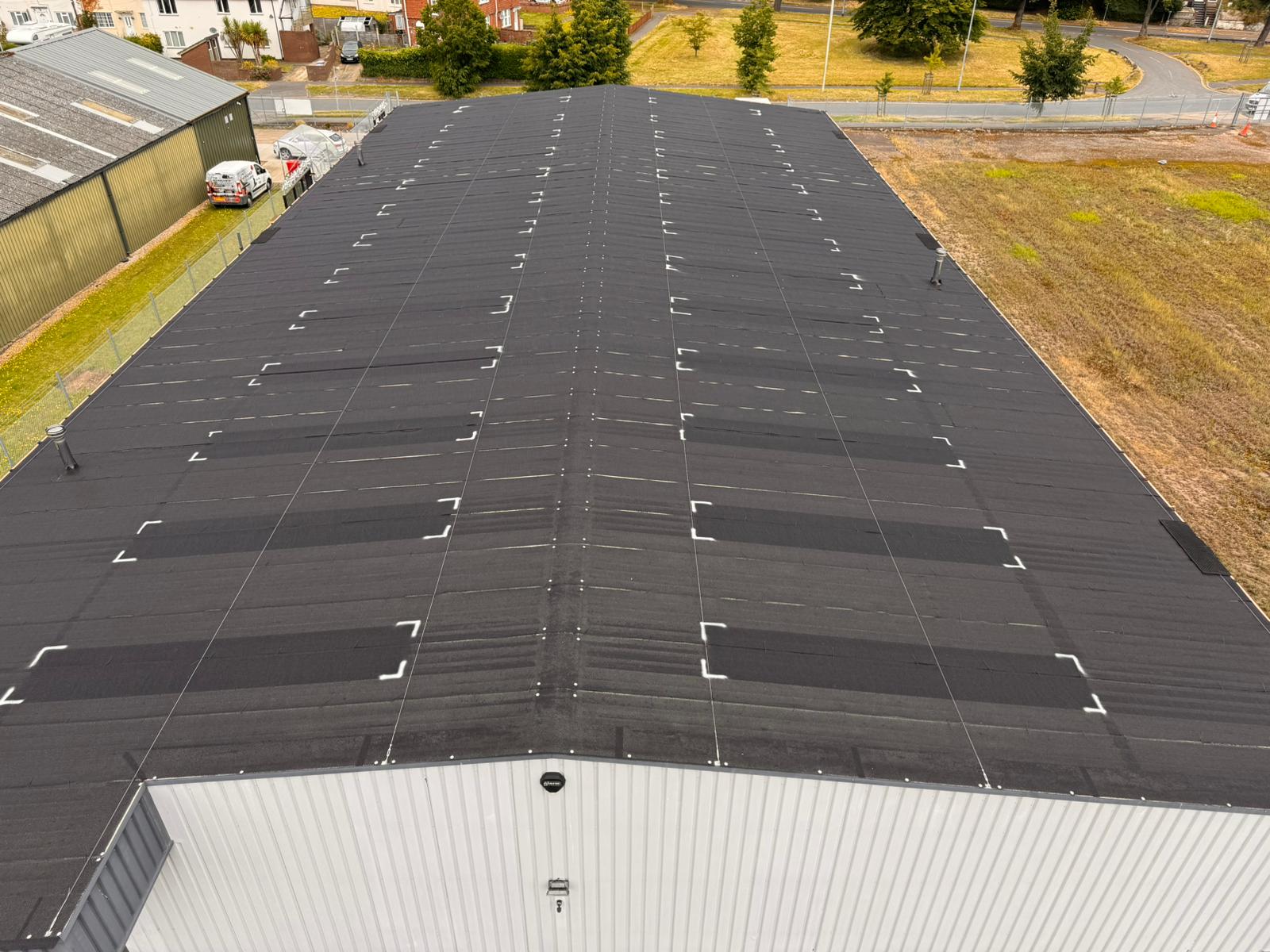
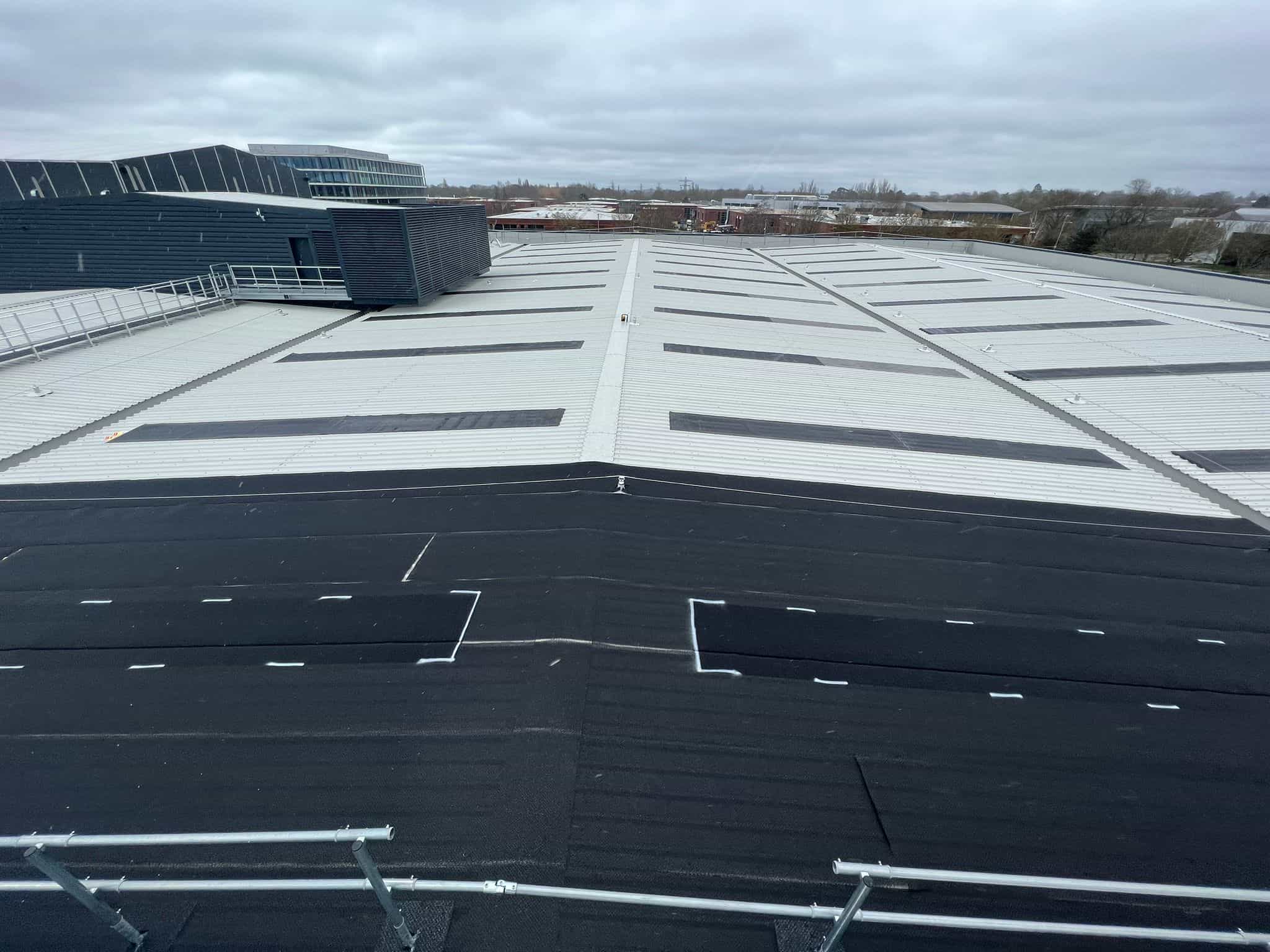
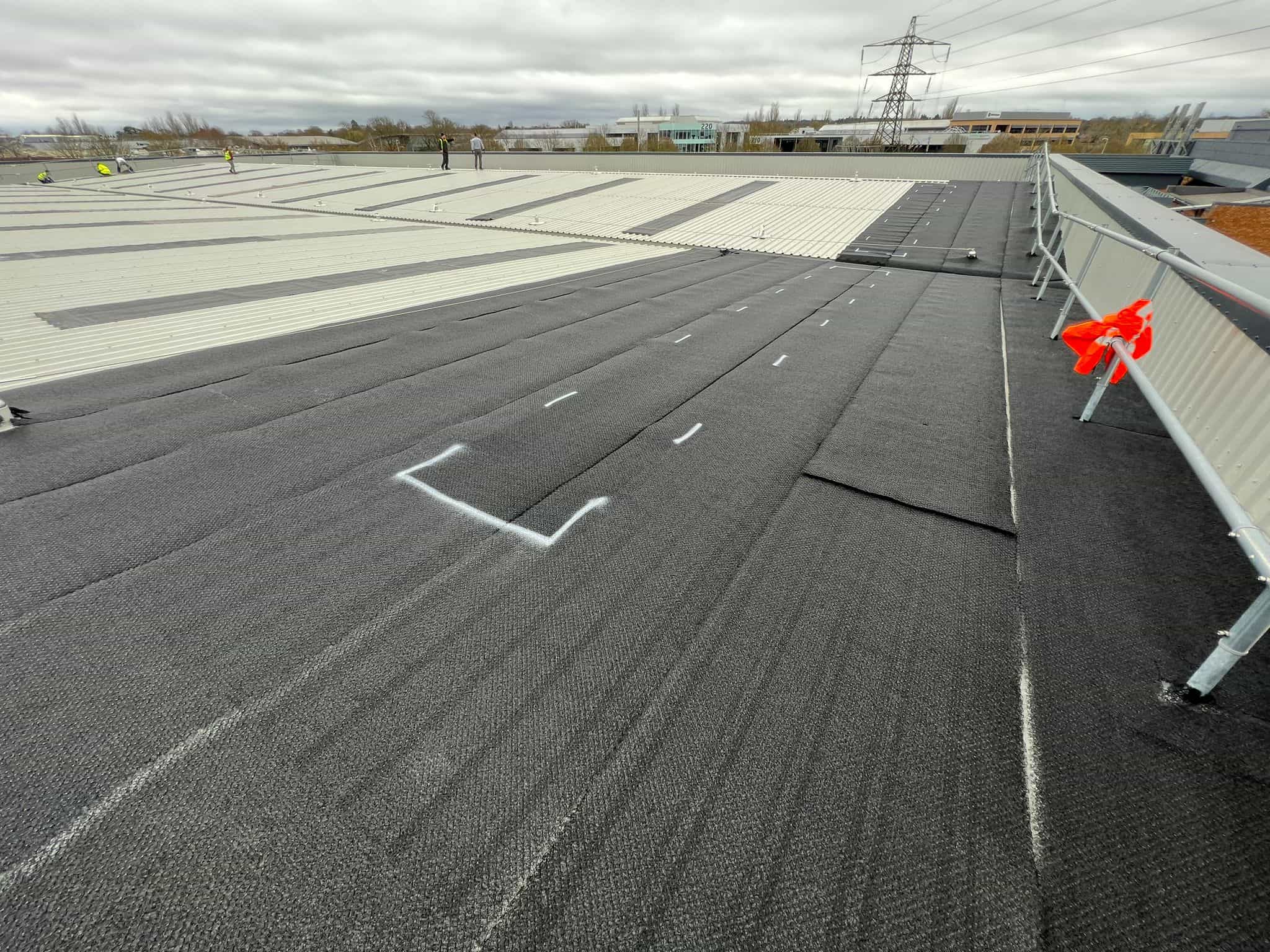
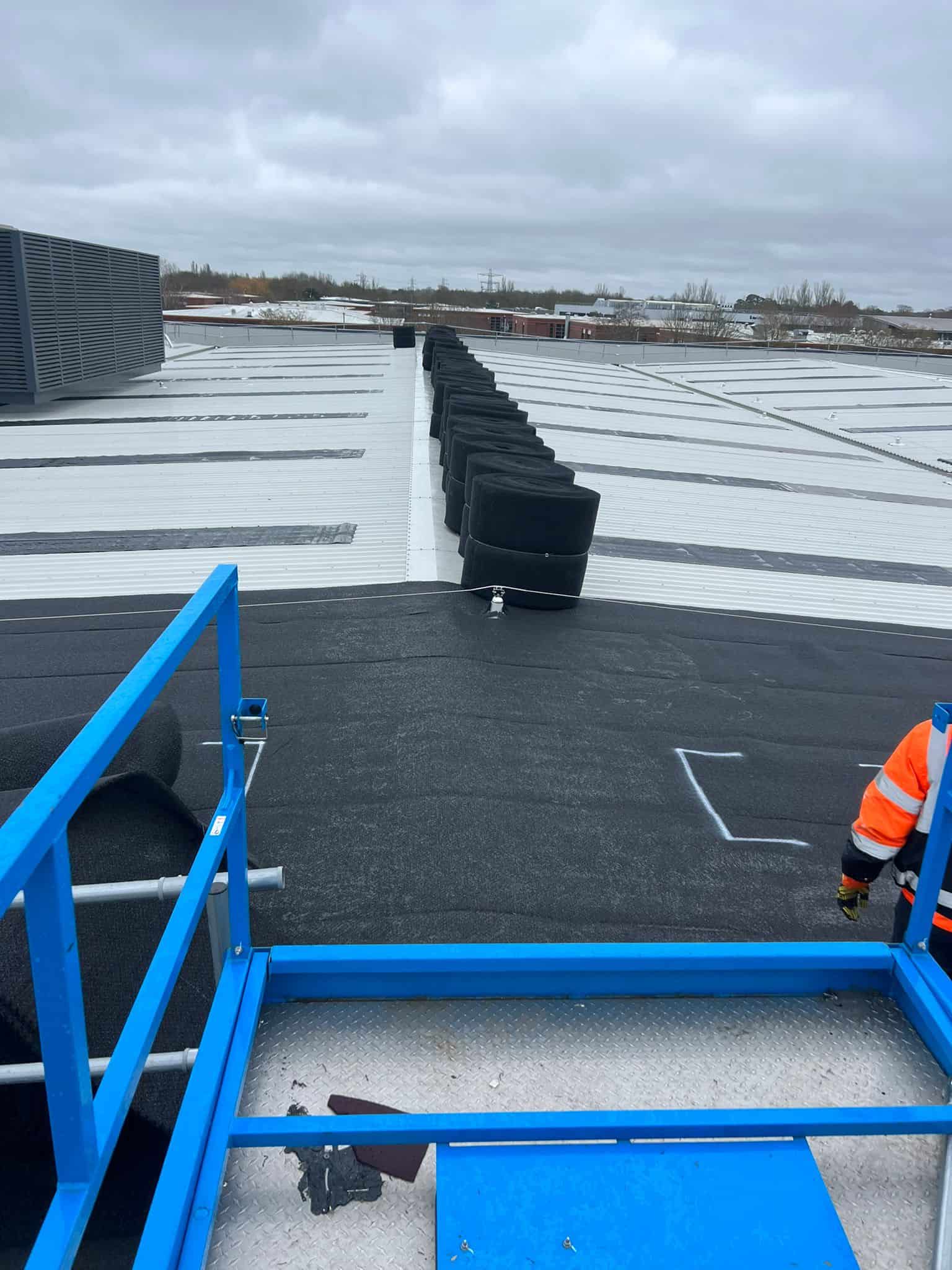
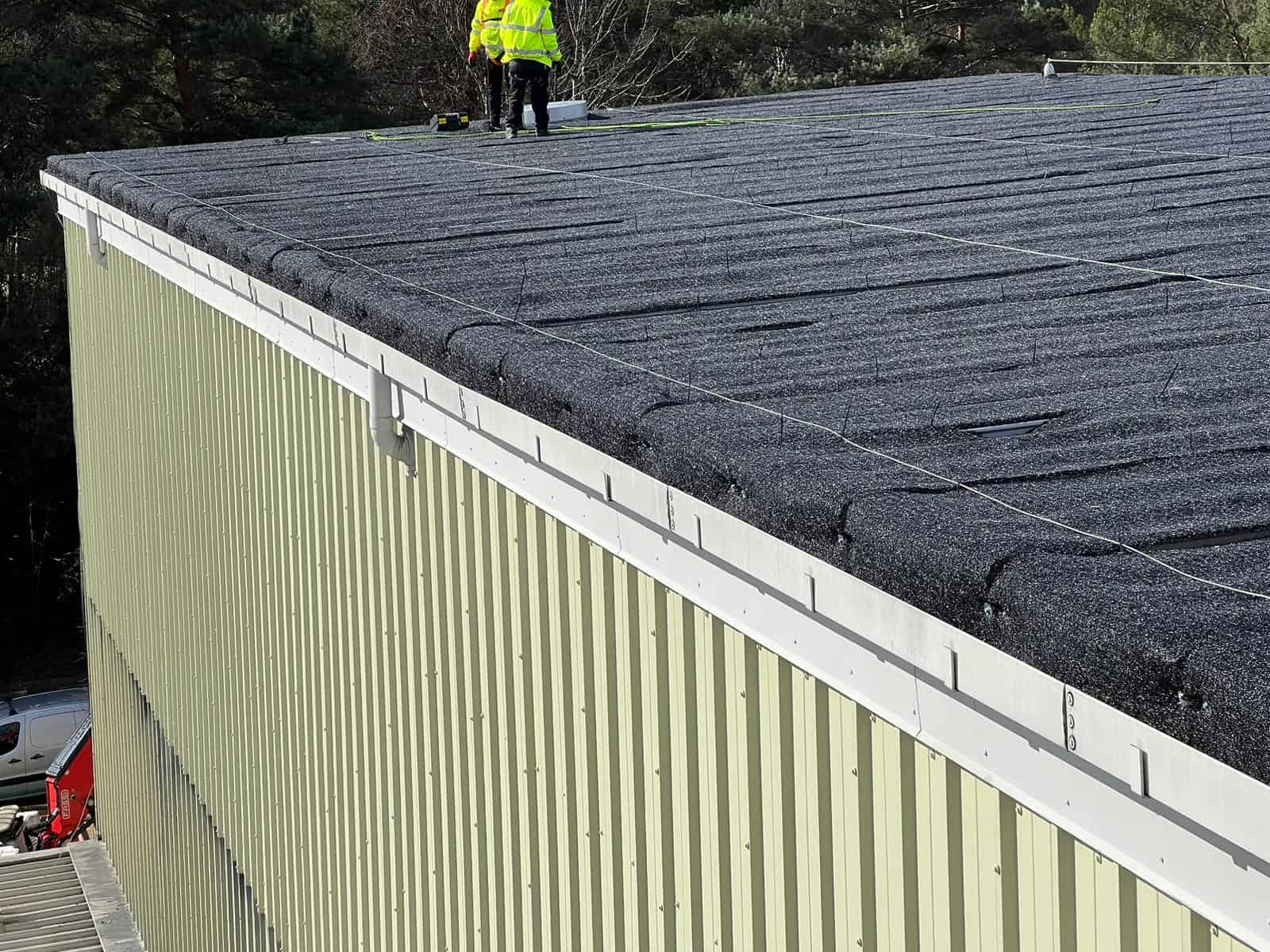
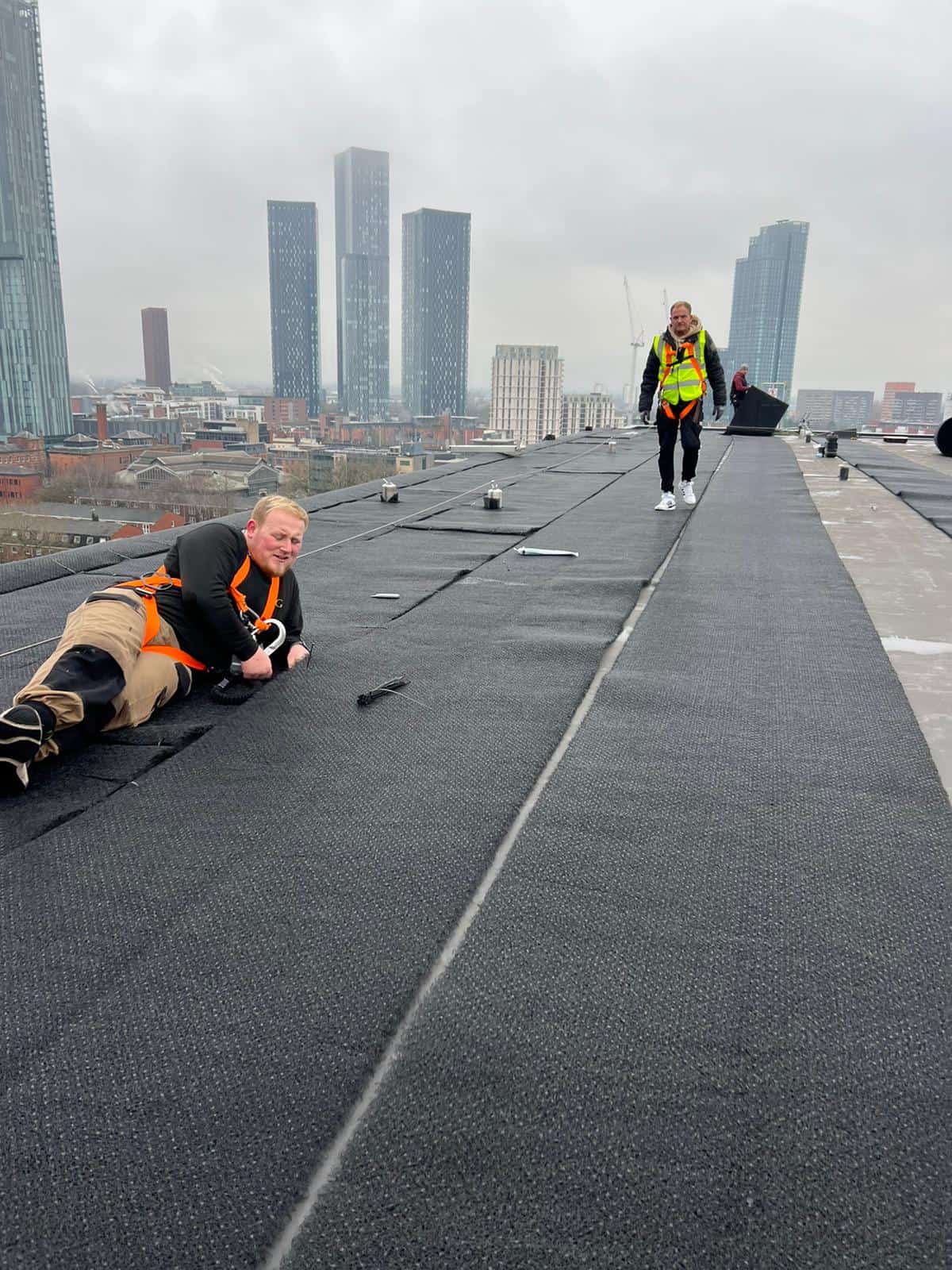
Adding mass addresses rain noise after it occurs. Instead, to directly address the acoustic insulation question from a different perspective, we could prevent the rain noise before it is generated. Silent Roof Material (SRM) does just that. We achieve this by installing it on the outside of the roof, on top of the existing roof surface. Furthermore, SRM weighs only 800 grams per square meter, so most roof structures can easily support this minimal additional load. So, how does the Silent Roof approach work without adding mass?
How Does It Work
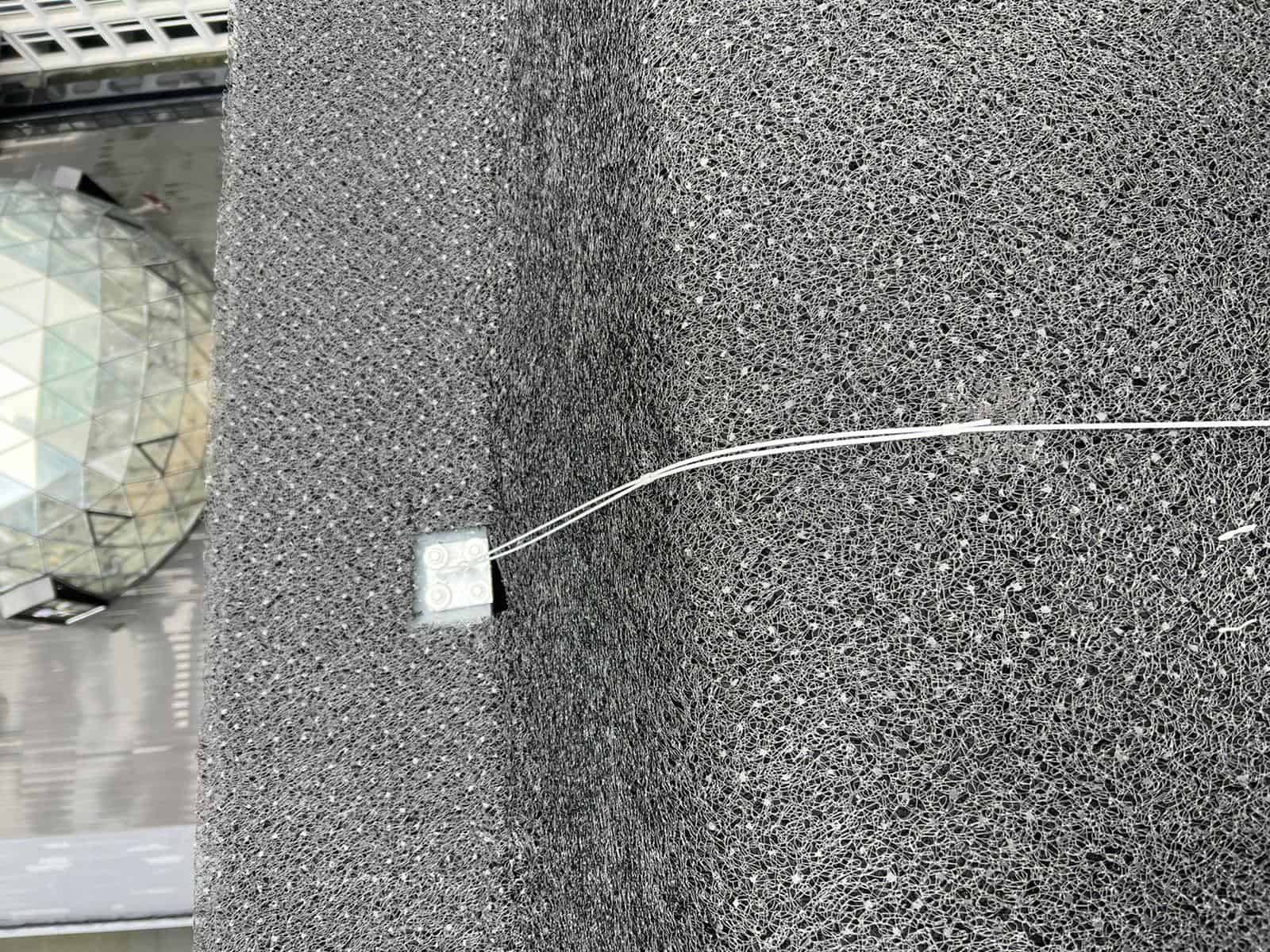
Silent Roof Material (SRM) provides a solution to rain noise by intercepting falling raindrops with its open, two-dimensionally structured upper surface. This structure disperses raindrops, which then trickle through the SRM’s lower three-dimensional base. As a result, the impact noise of raindrops is dramatically reduced and not transferred to the roof beneath. Rainwater trickles through the SRM matrix and drips softly onto the original roof surface. The rainwater then flows into the drainage system. Silent Roof reduces rain noise on any composite roofing structure to a mere whisper. The material is black and UV-stabilised. SRM’s flexibility lets it work on various surfaces, whether flat or curved. We have developed stable weatherproof methods to secure the material to different surfaces.
Re-Use Potential
Additionally, SRM offers reuse benefits. Since it isn’t bonded to the roof structure, it can also protect temporary structures from rain noise pollution, providing clear advantages to purchasers.
A Technical Description
In Technical Terms
Silent Roof Material (SRM) is a flexible, three-dimensional matting, produced from polyamide monofilaments welded together where they cross to form a tough, open structure. It has a flat back on one side produced from monofilaments in an irregular, two-dimensional structure which is thermally bonded to the three-dimensional structure.